

Alternatives to Unifyca
Unifyca is a centralized platform for agency WordPress site management, audit, and backup.
Explore 12 alternatives to Unifyca. Compare features, pricing, and find the best fit for your needs.
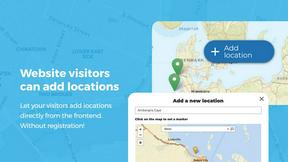
Open User Map
Open User Map is a no-code WordPress plugin that lets visitors add and edit locations on an interactive map with approval workflows and powerful.
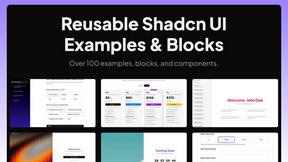
Shadcn Examples
A categorized collection of premium React and Tailwind CSS UI examples and blocks for building modern web apps.
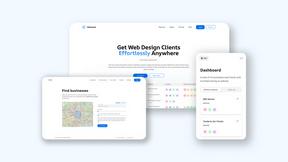
Webleadr
Webleadr instantly finds and contacts local businesses without websites to generate web design leads for you.
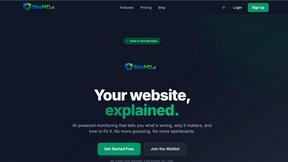
SiteMd
SiteMD instantly scans your website for SEO, speed, security, and broken link issues, delivering a plain-English health report.

Idearium
Idearium creates impactful websites and marketing strategies that drive growth and enhance online visibility for your.

FilexHost
Easily host and share any file with a simple drag and drop, getting a live URL in seconds.

Crawlkit
Crawlkit provides a simple API to extract structured data and screenshots from any website with just one request.
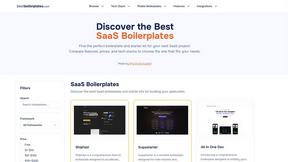
Best Boilerplates
Compare SaaS boilerplates by features and tech stacks to launch your app faster.
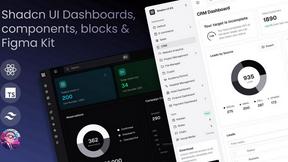
Shadcn UI Kit
The Shadcn UI Kit offers ready-to-use dashboards, templates, and components for faster and efficient web development.

Clio Websites
Clio Websites builds custom, high-converting websites and SEO solutions to grow your business.
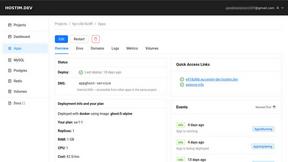
Hostim.dev
Hostim.dev simplifies Docker app deployment with built-in databases on fast, secure, EU-hosted infrastructure.

About Unifyca Alternatives
Unifyca is a centralized WordPress website management platform designed specifically for agencies, freelancers, and IT professionals who oversee multiple client sites. It falls under the web development and maintenance tool category, offering features such as bulk WordPress audits, plugin and core version detection, scheduled backups, uptime monitoring, and white-label reporting. Users commonly seek alternatives to Unifyca for reasons including pricing structures that may not fit their budget, a desire for more granular control over specific maintenance tasks, or the need for a platform that integrates with their existing tech stack or offers different scaling options. When evaluating an alternative, look for a solution that provides robust automated backup capabilities, comprehensive security scanning, intuitive multi-site dashboards, and flexible reporting features, while also considering the ease of onboarding client documentation and the level of customer support available for your team size.
FAQs about Unifyca Alternatives
What is Unifyca?
Unifyca is a centralized WordPress website management platform built for agencies, freelancers, and IT professionals. It allows users to manage multiple client websites from a single workspace instead of logging into dozens of separate WordPress dashboards. The platform combines website maintenance, audits, backups, uptime monitoring, and documentation storage into one operational tool.
Who is Unifyca for?
Unifyca is specifically designed for agencies, freelancers, and IT professionals who maintain multiple client websites. It is ideal for teams that need to streamline repetitive maintenance tasks, reduce manual work, and deliver professional services at scale. The platform is particularly useful for those who require white-label reporting and centralized storage of client credentials, hosting details, and brand assets.
What are the main features of Unifyca?
Unifyca offers a comprehensive set of features including WordPress audits to detect outdated plugins, themes, and core versions, along with automated maintenance fixes. It provides manual and scheduled backups, uptime monitoring, and the ability to generate white-label maintenance reports. Additionally, the platform centralizes website documentation such as hosting accounts, domains, FTP access, email settings, SSL certificates, and project notes.
Why choose Unifyca for client site management?
Choosing Unifyca helps agencies reduce manual work and improve consistency across all client websites. It eliminates the need to log into multiple WordPress dashboards by providing a single workspace for audits, backups, and updates. The platform also enhances professionalism by allowing users to deliver white-label reports and securely document all technical and operational information for each client.