

Alternatives to Autheo
Autheo is a Layer-0 operating system with an integrated Layer-1 blockchain that unifies identity, compute, storage, AI, and developer tools into one.
Explore 11 alternatives to Autheo. Compare features, pricing, and find the best fit for your needs.
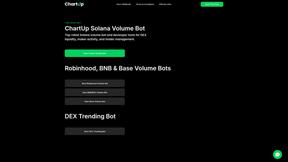
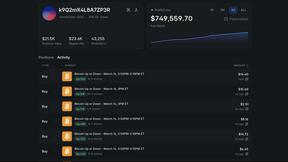
Polymarket Trading Bot For Crypto
A Polymarket trading bot automating a proven arbitrage and directional strategy for 5-15 minute Bitcoin Up or Down markets, with full source code.


Bitcoin Loans Market
Bitcoin Loans Market lets you compare Bitcoin-backed loans effortlessly, simplifying your choices with clear terms and live rates.

MadeOnSol
MadeOnSol ranks 1,065 Solana tools, tracks 1,069 KOL wallets live, and provides intel, alerts, and an API.

Perpfinder
Perpfinder delivers a structured, categorized dashboard for comparing live volume, fees, and open interest across 30+ crypto perpetual exchanges.

CreateMyCoin
CreateMyCoin enables anyone to effortlessly launch a Solana token in just 60 seconds, with no coding skills required.

Collab Chain
Collab Chain transforms royalty statements into verifiable, tamper-evident proof of music credits and earnings.
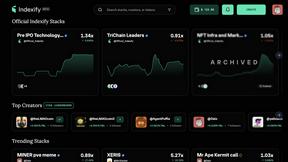
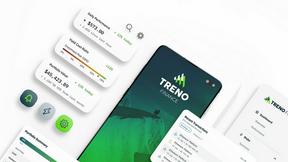
Treno.Finance
Treno.Finance provides professional crypto risk management and DeFi analytics for confident investment decisions.

About Autheo Alternatives
Autheo is a Layer-0 Operating System integrated with a Layer-1 blockchain, designed to unify a digital core with artificial intelligence capabilities. It falls within the Blockchain & Crypto category, specifically targeting the intersection of decentralized infrastructure and AI-driven computing. Users commonly look for alternatives due to specific constraints such as pricing models, scalability requirements, or the need for a more mature developer ecosystem. Others may find that Autheo’s particular blend of identity, compute, and storage does not align perfectly with their existing stack or regulatory environment. When evaluating an alternative, it is critical to examine the platform’s interoperability with current systems, the maturity of its AI tooling, and the cost structure for on-chain operations. Look for solutions that offer clear documentation, strong community support, and a transparent roadmap for updates. Additionally, consider the security model and consensus mechanism, as these directly impact reliability and transaction finality. A thorough comparison of these factors ensures the chosen platform meets both immediate and long-term development goals.
FAQs about Autheo Alternatives
What is Autheo?
Autheo is a Layer-0 Operating System with an integrated Layer-1 blockchain that unifies identity, compute, storage, developer tooling, and AI capabilities in one interoperable environment. It is designed to serve as the foundation for a connected, intelligent web. The platform combines a distributed operating system with blockchain technology to create a cohesive digital core.
Who is Autheo for?
Autheo is built for developers, enterprises, and innovators who require a unified infrastructure for decentralized applications and AI-driven services. It is particularly suited for teams building complex systems that need seamless integration of identity management, data storage, and computational resources. The platform also targets organizations looking to leverage blockchain for secure, scalable digital ecosystems.
What are the main features of Autheo?
Autheo offers a unified environment that includes identity management, decentralized compute, persistent storage, developer tooling, and integrated AI capabilities. As a Layer-0 OS with a Layer-1 blockchain, it provides interoperability across these components without relying on external bridges. This design allows for efficient resource allocation and streamlined application development within a single ecosystem.
Is Autheo secure?
Autheo is built on a Layer-0 architecture with an integrated Layer-1 blockchain, which provides a foundational security model through its consensus mechanism and network design. The platform aims to secure identity, compute, and storage functions within a unified environment, reducing attack surfaces that arise from fragmented systems. While specific audit details are not provided in the available content, the architecture is designed to offer robust protection for decentralized operations.