
Vidgo API
Vidgo API provides a cost-effective, unified platform for seamless access to all major AI models for developers.
Visit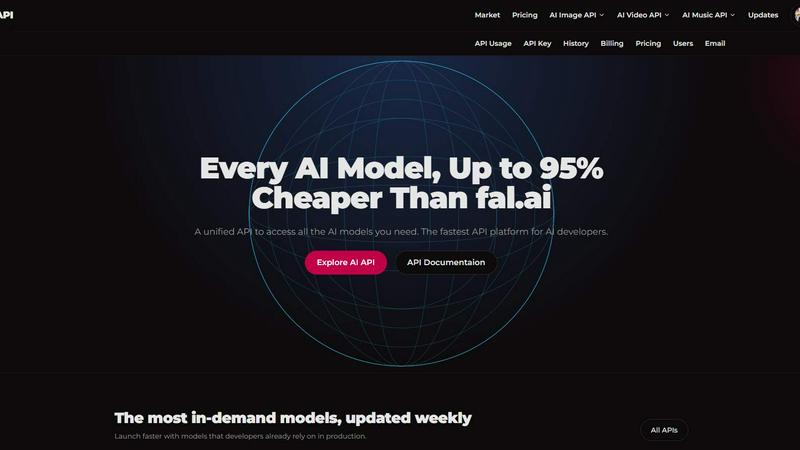
About Vidgo API
Vidgo API is a powerful platform designed to simplify the integration of AI capabilities for developers and businesses looking to harness the potential of media generation. By providing access to a comprehensive marketplace of leading AI models for video, image, and music creation, Vidgo API streamlines the development process, minimizing the need for complex integrations with multiple providers. This platform is tailored for technical teams who demand rapid, reliable, and cost-effective AI solutions that can be deployed in production environments. The primary value proposition of Vidgo API lies in its curated selection of high-performance models, significant cost savings—up to 95% compared to competitors like Fal.ai—and assurance of production reliability with exceptional uptime. By centralizing authentication, billing, and model updates within a single dashboard, Vidgo API empowers developers to focus on crafting innovative applications, from AI-driven content studios to social media tools, without the burden of managing numerous disparate AI services.
Features of Vidgo API
Unified Access to AI Models
Vidgo API offers a single REST API that provides access to a diverse array of AI models for media generation, including video, image, and music, simplifying the integration process for developers.
Cost-Effective Pricing
With pricing that can be up to 95% lower than competitors, Vidgo API allows businesses to leverage powerful AI tools without straining their budgets. This competitive pricing structure ensures that teams can innovate freely.
High Reliability and Uptime
The platform guarantees a remarkable 99.9% uptime, ensuring that developers can rely on Vidgo API for consistent performance in their applications, thus minimizing disruptions during production deployment.
Streamlined Management Dashboard
Vidgo API features a centralized dashboard for managing API keys, billing, and model updates, enabling developers to efficiently oversee their integrations and focus on creating impactful solutions.
Use Cases of Vidgo API
AI-Powered Content Creation
Content creators can utilize Vidgo API to generate high-quality videos, images, and music, facilitating the production of engaging multimedia content for advertising, marketing, or entertainment.
Social Media Automation
Social media managers can leverage Vidgo API to automate the creation of visually appealing posts and videos, allowing for efficient content scheduling and engagement with audiences.
Game Development
Game developers can integrate Vidgo API to generate realistic character animations and environments, enhancing gameplay experiences through advanced AI-driven media generation techniques.
E-Learning Solutions
Educational platforms can use Vidgo API to create interactive video lessons and educational content, providing engaging learning experiences through dynamic media generation that captures student interest.
Frequently Asked Questions
What types of AI models are available through Vidgo API?
Vidgo API provides access to various AI models for video generation, image creation, and music production, including popular models like Sora 2, Kling 2.6, and Suno v5.
How reliable is the Vidgo API in production environments?
The Vidgo API boasts a 99.9% uptime, ensuring high reliability and performance for applications in production environments, allowing developers to execute their projects with confidence.
Can I manage my API usage and billing in one place?
Yes, Vidgo API features a centralized dashboard that allows users to manage API keys, monitor usage, and handle billing, streamlining operational processes for developers.
Is there support available for developers using Vidgo API?
Vidgo API offers extensive documentation and 1:1 human support to assist developers in integrating and optimizing their use of the API, ensuring a smooth development experience.
Explore more in this category:
Similar to Vidgo API

Motiofy is an AI creative workspace that helps creators and teams turn ideas into polished visual stories.

ProfileLoom turns one photo into platform-ready AI portraits for professional, social, and creator profiles, with presets and built-in editing.

Free AI Image is a free text-to-image AI generator for creating clean visual drafts from prompts with no sign-up required.


One key to unlock every AI model, from language and reasoning to image, video, audio, and multimodal intelligence.

Access Best AI models for chat, image, video, audio through one API. Pay-as-you-go pricing, up to 80% cheaper than direct providers.


Create AI videos and images in the browser, compare models, and scale production with stable APIs.