

Alternatives to Self-Healing Integrations
Plumbed.io delivers self-healing enterprise integrations that stay operational and reliable through AI-managed lifecycle automation.
Explore 20 alternatives to Self-Healing Integrations. Compare features, pricing, and find the best fit for your needs.

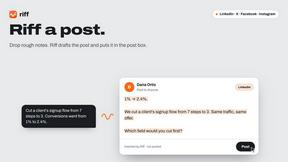
Riff
Free Chrome extension. Paste your rough point and Chrome's built-in AI writes a fresh reply for that post on X, LinkedIn, Facebook or Instagram.

AIPetGen
Turn a photo of your pet into new pictures or short animations with AI. Sign in for a free 1K image daily.
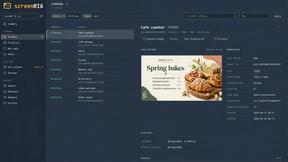
screenRIG
Signage and kiosk infrastructure for AI agents. Your agent publishes images, video, streams, web pages and apps to screens via one plugin.screenRIG is

PDF to Excel
ReadyData is an online PDF to Excel converter powered by AI. It helps users extract tables and relevant fields from invoices, bank statements, reports
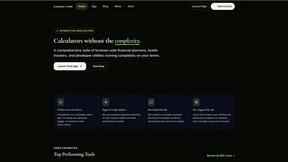
Luminus Tools
A comprehensive suite of browser-side financial planners, health trackers, and developer utilities running completely on your terms.

GetYouTubeTranscript
Free YouTube transcripts on the web, a Chrome extension, and an API + MCP server so AI assistants can read YouTube.

layahost
Moderation, routing, intent and scoring for any text over one Jev-compatible API, hosted in the EU.

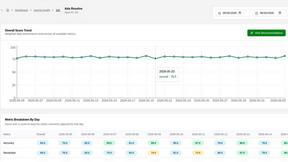


Speechyou
AI transcription for voice notes, meetings, and audio files in 1,700 languages, with AI summaries and subtitle export and unlimited chat ai usage.
ProspectHalo
AI sales agent that finds qualified leads, runs outreach, follows up automatically, creates content, and helps book more meetings.

benchmark.directory
An AI tools directory that turns down money. 146 listings, 20 categories, no sponsored placement and no affiliate ordering.
saasgrow.ai
Get your SaaS tool discovered. Free listing, honest screening, a dofollow link — and no way for anyone to outbid you.

Tools Network
Tools Network is a curated directory of the best AI tools across 25+ categories — from writing and image generation to coding and marketing.

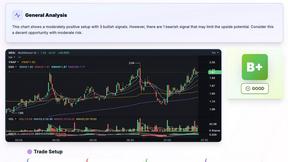
SnapPChart
SnapPChart grades a trading chart screenshot A+ to F, with an entry, stop, targets, and risk/reward. Works on stocks, forex, crypto, futures.

About Self-Healing Integrations Alternatives
Self-Healing Integrations is an AI-managed platform designed to connect and maintain connections between various software systems, falling under the category of AI Assistants for integration management. Unlike traditional tools that only build the initial connection, this platform focuses on the entire lifecycle of an integration, including ongoing monitoring, maintenance, and adaptation to changes. Users typically look for alternatives when they encounter pricing models that don't scale with their integration volume, need more granular control over specific data mapping rules, or require a platform that supports a less automated, more hands-on approach to troubleshooting. When choosing an alternative, it is critical to evaluate how the platform handles the post-launch phase of an integration, as this is where most time and cost are incurred. Look for solutions that offer robust monitoring capabilities, automated error detection, and a clear mechanism for adapting to API updates from third-party systems. Additionally, consider the platform's ability to reduce the "integration tax"—the hidden cost of slow and expensive launches for new channels or partners—by providing a systematic, low-code, or no-code environment that still offers the depth needed for custom, complex workflows.
FAQs about Self-Healing Integrations Alternatives
What is Self-Healing Integrations?
Self-Healing Integrations is an AI-managed platform that builds and maintains connections between software systems. It replaces traditional custom integration projects by automating the entire lifecycle, including monitoring, maintenance, and adaptation to changes after go-live. The goal is to eliminate the 'integration tax' that makes launching new channels, systems, or partners slow and expensive.
Who is Self-Healing Integrations for?
This platform is designed for companies that rely on custom integrations requiring ongoing changes, monitoring, and maintenance after go-live. It is particularly valuable for organizations that find themselves paying a high 'integration tax' with every new channel, system, or partner launch, as it automates and streamlines these complex, often brittle connections.
What are the main features of Self-Healing Integrations?
The core feature is an AI-managed lifecycle that handles everything from building the initial connection to keeping it running smoothly. This includes proactive monitoring for issues, automatic adaptation to API changes from integrated systems, and ongoing maintenance to prevent downtime. It effectively replaces the need for manual, project-based integration work with a continuous, automated process.
Is Self-Healing Integrations secure?
As an agentic platform that manages critical system connections, security is a foundational component of its design. The platform is built to handle sensitive data flows and maintain secure connections between integrated systems throughout their entire lifecycle. For specific security certifications and compliance details, you should review the platform's official documentation and security policies.