
Mod vs Requestly
Side-by-side comparison to help you choose the right product.

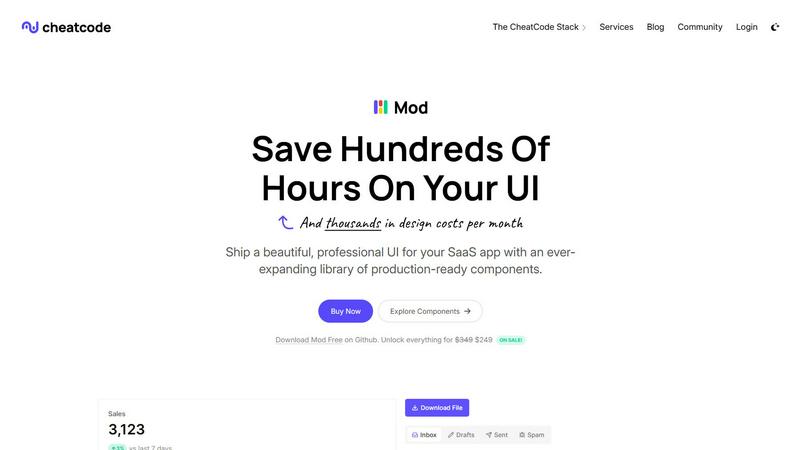
Mod is a CSS framework with prebuilt components for rapidly developing SaaS application interfaces.

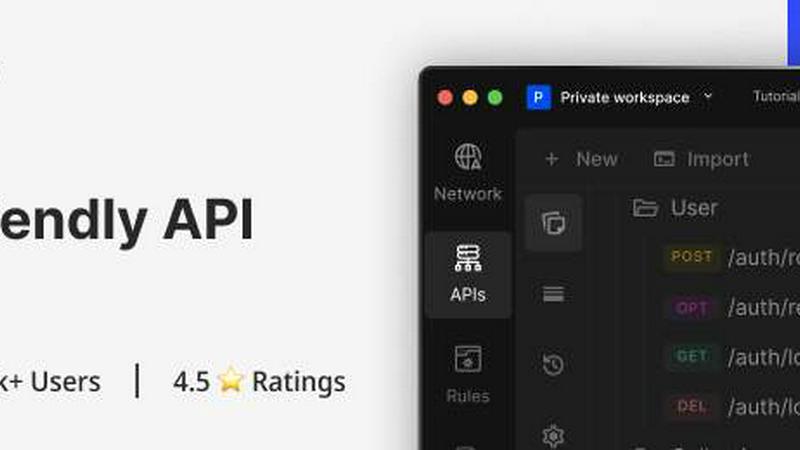
Requestly is a fast, git-based API client for effortless testing and collaboration without requiring a login.
Last updated: April 4, 2026
Visual Comparison
Mod
Requestly
Feature Comparison
Mod
Extensive Component Library
Mod provides an extensive library of over 88 meticulously crafted, reusable UI components. This includes everything from foundational elements like buttons, forms, and modals to complex SaaS-specific modules such as data tables, pricing cards, dashboards, and user profile sections. Each component is built with accessibility and semantic HTML in mind, ensuring a solid foundation for any application. This vast selection allows developers to assemble complex interfaces quickly by combining these pre-styled building blocks, ensuring consistency and saving countless hours of development time.
Comprehensive Design System with Multiple Themes
Beyond individual components, Mod offers a complete, cohesive design system featuring 168 distinct style utilities and two fully realized themes (light and dark). This system includes a consistent spacing scale, typography hierarchy, color palette, and shadow elevations. The built-in, easy-to-implement dark mode support is a significant advantage for modern applications. This comprehensive approach guarantees that every element you use from the library works harmoniously with every other, delivering a polished and professional look right out of the box.
Framework-Agnostic & Easy Integration
A standout feature of Mod is its framework-agnostic architecture. It is designed as pure, well-structured CSS with clear class names, making it compatible with any front-end framework or backend templating system. Whether you are building with Next.js, Nuxt, Vite, SvelteKit, Ruby on Rails, Django, or plain HTML, Mod integrates seamlessly. This flexibility prevents vendor lock-in and allows teams to adopt Mod regardless of their chosen technology stack, making it a future-proof investment for any project.
Mobile-First & Fully Responsive
Every component and layout in Mod is built with a mobile-first, responsive design philosophy. The styles and components automatically adapt to provide an optimal viewing and interaction experience across a wide range of devices, from smartphones to desktop monitors. This eliminates the need for developers to write complex media queries and manually adjust layouts for different screen sizes. You can confidently build your SaaS UI knowing it will look and function perfectly for all users, regardless of how they access your application.
Requestly
Git-Native Collections
Requestly stores your API collections as local files on your machine, enabling seamless integration with version control systems like Git. This allows development teams to track changes, review history, and collaborate on API specifications using the same workflows they use for code. It eliminates vendor lock-in and ensures your API definitions are always portable and under your direct control, enhancing both security and team collaboration.
No-Login Required & Local-First Architecture
You can start using Requestly immediately without creating an account or signing in. This underscores its commitment to privacy and efficiency. The local-first architecture ensures all your sensitive API data, including requests, responses, and environment variables, are stored securely on your local device rather than on external servers, giving you complete data sovereignty and peace of mind.
AI-Enhanced API Development
Requestly integrates artificial intelligence directly into its core to streamline API workflows. The AI assists developers by intelligently generating requests, writing test cases, and aiding in debugging processes. This reduces manual effort, accelerates development cycles, and helps catch issues faster, making the overall API interaction more intuitive and productive for developers of all skill levels.
Comprehensive REST & GraphQL Support
The client provides full-featured support for both REST and GraphQL APIs. For GraphQL, it offers advanced features like schema introspection and auto-completion for queries. For all API types, it includes powerful capabilities such as environment variables for dynamic values, pre-request scripts to modify requests before sending, and post-response scripts to process results, creating a versatile testing and development environment.
Use Cases
Mod
Rapid Prototyping and MVP Development
For startups and entrepreneurs, speed to market is critical. Mod is an ideal tool for rapidly prototyping ideas and building Minimum Viable Products (MVPs). Developers can use the pre-designed components to construct a fully functional, professional-looking interface in a fraction of the time it would take to design and code from zero. This allows teams to validate their business concept with real users quickly without compromising on the perceived quality and polish of the application.
Standardizing UI Across Development Teams
In growing engineering teams, maintaining visual consistency across different features and modules developed by multiple engineers can be challenging. Mod acts as a single source of truth for the UI. By adopting Mod's design system, teams ensure that every new page, component, or feature adheres to the same spacing, typography, and color rules. This standardization improves collaboration, reduces design review cycles, and ensures a uniform user experience throughout the entire application.
Enhancing Legacy Applications with Modern UI
Many established applications have robust backend functionality but suffer from outdated or inconsistent front-end interfaces. Mod provides a perfect solution for modernizing these legacy UIs without a complete rewrite. Developers can incrementally replace old styles and components with Mod's modern, responsive ones. Since Mod works with any stack, it can be integrated into older Rails, Django, or even jQuery-based applications to give them a fresh, contemporary SaaS look and feel.
Building Internal Admin Dashboards and Tools
Companies often need to build internal tools, admin panels, or customer portals that require a clean, functional interface but don't justify the cost of a dedicated designer. Mod's component library, especially its data tables, charts, and form elements, is perfectly suited for this use case. Developers can efficiently assemble powerful internal dashboards that are both usable and professional, allowing the business to operate more effectively without diverting design resources from customer-facing products.
Requestly
Development Teams Needing Version-Controlled API Specs
Teams that manage API specifications as part of their codebase benefit immensely. By storing collections as files in Git, developers can propose changes via pull requests, conduct code reviews on API endpoints, and maintain a single source of truth alongside their application code, ensuring consistency and improving collaboration between frontend and backend developers.
Security-Conscious Organizations Handling Sensitive Data
Companies in regulated industries or those working with sensitive API keys and data require tools that prioritize security. Requestly's local-first approach ensures no sensitive data is transmitted to or stored in the cloud without explicit consent. This use case is critical for enterprises that must comply with internal security policies or external regulations like SOC-II.
Developers Migrating from Bloated API Clients
Developers frustrated with slow, complex, or login-mandatory API platforms like Postman can switch to Requestly for a streamlined experience. The one-click import feature allows for easy migration of existing collections and environments. Users gain a faster, more lightweight tool that focuses on core API testing functionality without unnecessary bloat or friction.
Collaborative API Design and Testing
Teams can use Requestly's free shared workspaces and role-based access control (RBAC) to collaborate effectively. API designers, developers, and QA engineers can work within the same workspace, with admins controlling edit permissions. This facilitates shared environment variables, collective debugging, and ensures everyone is testing against the same endpoints and data sets.
Overview
About Mod
Mod is a comprehensive, production-ready CSS framework and component library specifically engineered for building modern, polished Software-as-a-Service (SaaS) user interfaces. It provides developers with a systematic design system that eliminates the need for custom CSS from scratch, dramatically accelerating the front-end development process. The core value proposition of Mod is to empower solo developers, startups, and engineering teams to ship professional, visually cohesive, and highly functional web applications faster and with significantly reduced design overhead. By offering a vast library of pre-built, responsive components and utilities, Mod ensures that the final product maintains a high-quality, consistent aesthetic without requiring deep expertise in UI/UX design. Its framework-agnostic nature makes it a versatile tool that seamlessly integrates into virtually any modern tech stack, from JavaScript frameworks like Next.js and Svelte to backend-heavy environments like Rails and Django. With Mod, the focus shifts from wrestling with styling and layout to implementing core application logic and features.
About Requestly
Requestly is a modern, lightweight API client built for developers and development teams who demand control, speed, and efficiency in their API workflows. It serves as a powerful alternative to traditional, often bloated, cloud-based API platforms. Its core philosophy is local-first, meaning all your API collections, environments, and data are stored directly on your machine as files, ensuring maximum privacy, security, and portability. This git-native approach allows teams to version-control their API specifications seamlessly within their existing Git repositories, fostering collaboration through familiar developer workflows. Integrated with AI capabilities, Requestly accelerates the process of writing requests, generating tests, and debugging APIs. It provides comprehensive support for both REST and GraphQL APIs, featuring schema introspection, environment variables, and pre/post-request scripts. With a strong emphasis on accessibility and collaboration, Requestly offers a generous free tier that includes shared workspaces and role-based access control, all without requiring a login to get started. Trusted by over 300,000 developers from leading companies like Microsoft, Amazon, and Google, Requestly is designed to be the fast, secure, and developer-friendly API client that doesn't slow you down.
Frequently Asked Questions
Mod FAQ
What frameworks is Mod compatible with?
Mod is completely framework-agnostic. It is built with standard CSS and uses simple class names for styling, making it compatible with any front-end or full-stack framework. This includes popular JavaScript frameworks like Next.js, Nuxt, Svelte, and Vue, build tools like Vite, and backend frameworks with templating engines like Ruby on Rails, Django, Laravel, and Phoenix. You can use it with static HTML sites as well.
Does Mod include JavaScript for interactive components?
No, Mod is primarily a CSS framework and component library. It provides the complete styles, layouts, and visual states (like hover and focus) for all 88+ components. For interactive behavior (e.g., opening a modal, toggling a dropdown, submitting a form), you will use your chosen framework's native JavaScript or a dedicated UI library. This separation of concerns gives developers maximum flexibility to implement logic in the way that best suits their project.
How is dark mode implemented with Mod?
Mod includes full, built-in support for dark mode through the use of CSS custom properties (variables) and the prefers-color-scheme media query. The framework comes with two complete themes: light and dark. By applying Mod's provided CSS classes to your root HTML element, the components will automatically switch their color palette based on the user's system preference. You can also easily implement a manual theme switcher in your application to override system settings.
What is included in the yearly updates?
Purchasing a license for Mod includes access to yearly updates, which ensure your projects stay current with modern design trends and web standards. These updates typically include new components, additional style variants, enhancements to existing components for better accessibility or performance, and updates to the underlying CSS utilities. This subscription model provides ongoing value and helps keep your SaaS UI looking fresh and competitive over time.
Requestly FAQ
How does Requestly's local-first approach benefit me?
The local-first approach means all your API collections, environment variables, and request history are stored as files directly on your computer. This provides significant benefits: enhanced security and privacy as your data never leaves your machine unless you choose to sync it via Git; improved performance with no network latency for loading collections; and full data portability, allowing you to easily back up or transfer your work.
Can I import my existing Postman collections into Requestly?
Yes, Requestly offers a straightforward, one-click import process for Postman collections. You can easily migrate your complete Postman workspace, including collections, environments, and associated scripts, into Requestly. This allows for a seamless transition without losing any of your existing work, making it simple to switch to a more lightweight and git-native workflow.
Is team collaboration really free in Requestly?
Yes, Requestly offers free team collaboration features. This includes the ability to create shared workspaces where team members can jointly work on API collections. It also provides role-based access control (RBAC) for free, allowing you to assign roles like Admin, Editor, or Viewer to team members to manage permissions effectively without requiring a paid subscription.
What kind of support does Requestly offer for GraphQL APIs?
Requestly provides robust, dedicated support for GraphQL APIs. It features an intelligent GraphQL client that can introspect your GraphQL schema to provide auto-completion and validation for your queries. It also supports setting custom headers and variables, making it a fully-featured GraphQL IDE for testing and debugging your GraphQL endpoints efficiently.